

2026 Wisconsin Towing Guide: Match Trailer Weight to the Right Ford Truck
In Wisconsin, towing season never really ends. One weekend it's a travel trailer headed up I-94, the next it's a boat to the landing, then a snowmobile trailer once the temps drop. The common thread is this: towing should feel steady, not stressful.
This guide helps you match your trailer's real weight to the right Ford truck class, so your setup stays stable in crosswinds and stops with confidence. You'll also learn the terms that decide the limits, like GVWR, GVW, payload, tongue weight, GCWR, and tow rating.
By the end, you'll have a simple step-by-step method, plus Wisconsin-friendly trailer examples you can compare to your own.
The 5 numbers that decide what you can tow (and why the sticker matters)
Most people shop by tow rating. That's a start, but it's not the whole story. Brochure ratings often assume a lightly loaded truck with a certain engine, axle ratio, and hitch setup. Real life adds people, a full fuel tank, a cooler, and maybe firewood in the bed. All that weight changes what your truck can safely handle.
The best place to start is the driver door jamb. Your truck's "Tire and Loading Information" label shows how much weight it can carry (payload) in your exact configuration. Next, check the trailer's data plate for its ratings, then confirm your actual loaded trailer weight at a public scale.
A Wisconsin example makes this click. Say you load a family of four, a dog, a cooler, and a tote of camp gear. Add a couple bundles of firewood. The trailer might be "within the tow rating," yet your payload can disappear fast because tongue weight counts as truck load.
If you want a quick refresher on the difference that trips people up, Payload vs Towing Capacity breaks it down in simple terms.
Trailer weight basics: dry weight vs loaded weight, plus the 80 percent comfort zone
"Dry weight" (sometimes called shipping weight) is what a trailer weighs before propane, battery, water, food, tools, and clothes. It's a starting point, not a towing plan. Your real number is the loaded weight, the way it sits when you roll out of the driveway.
Public scales are worth the few minutes. After all, guessing weight is like guessing ice thickness. It might work, until it doesn't.
For day-to-day comfort, many experienced towers aim for an 80 percent target instead of running right at the top. That buffer helps on two-lane highways, in gusty farm country, and when you have to brake hard.
Tongue weight matters just as much:
Bumper-pull trailers usually run 10 to 15 percent on the hitch.
Fifth wheels often land around 15 to 25 percent on the pin.
Too little tongue weight can invite sway, especially when a semi blows by or lake wind hits the side of your camper.
If your trailer feels "floaty" or starts wagging, don't blame the wind first. Re-check loading, tongue weight, and hitch setup.
Payload is often the real limit: passengers, cargo, hitch, and tongue weight all count
Payload works like a budget. Spend it on passengers and gear, and you have less left for tongue or pin weight. That's why two trucks with the same badge can feel very different when towing.
Here's a simple way to think about it:
Start with your payload rating from the door sticker
Subtract people and pets
Subtract cargo in the cab and bed
Subtract hitch hardware (and weight-distributing hitch parts)
Subtract tongue weight or pin weight
What's left is your safety margin. If that number goes negative, the truck can squat, steering can feel light, and braking distances grow.
Also, heavy options can reduce payload. Four-wheel drive, big wheels, luxury packages, and other add-ons raise curb weight, so the truck has less capacity left for your real-world load.
Match your trailer to the right 2026 Ford truck, from small utility trailers to big fifth wheels
Once you know your loaded trailer weight and your likely tongue or pin weight, choosing a truck gets easier. The goal is not "what can I pull once," it's "what feels controlled on Wisconsin roads."
Configuration matters, too. Bed length, axle ratio, tire rating, tow mirrors, and hitch type can change the experience a lot. Exact limits vary by VIN and equipment, so confirm with your door sticker and a model-specific guide like the Ford F-Series Towing Guide before you commit.
0 to 3,500 pounds: small utility, single snowmobile, or lightweight boat
For lighter trailers, a compact or mid-size truck can be a great fit. A Maverick or Ranger often makes towing simpler because it's easy to park, easy to live with, and still strong enough for weekend duties when equipped with the right tow package.
Even at these weights, tongue weight still uses payload. A small boat trailer with gear in the back can push the rear suspension more than you'd expect.
Brake controllers are often not needed for very light trailers. Still, trailer brakes and Wisconsin rules vary by trailer and use, so verify what applies to your setup.
3,500 to 7,500 pounds: pop-up campers, 18 to 22-foot travel trailers, and tandem-axle landscaping trailers
This is the busy middle zone for Wisconsin families and small businesses. In many cases, an F-150 is the sweet spot because you get more wheelbase, more tire capacity, and towing features that reduce fatigue.
A longer, heavier travel trailer can feel twitchy behind a smaller truck, even when the numbers look fine. Here, stability matters as much as power. An integrated trailer brake controller (when equipped) also makes it easier to dial in braking, especially when roads are wet.
Many bumper-pull campers in this range benefit from a weight-distributing hitch. It helps level the rig and can reduce porpoising on uneven pavement.
Wind is the wild card. Open stretches along I-94, plus exposed county roads, can push a tall trailer around. A heavier truck with the right hitch setup usually feels calmer.
7,500 to 12,500 pounds: larger travel trailers and equipment trailers where stability becomes the priority
At this point, tongue weight often lands in the 1,000 to 1,500-pound range, sometimes more. That can overload half-ton payload fast, even when the tow rating looks generous.
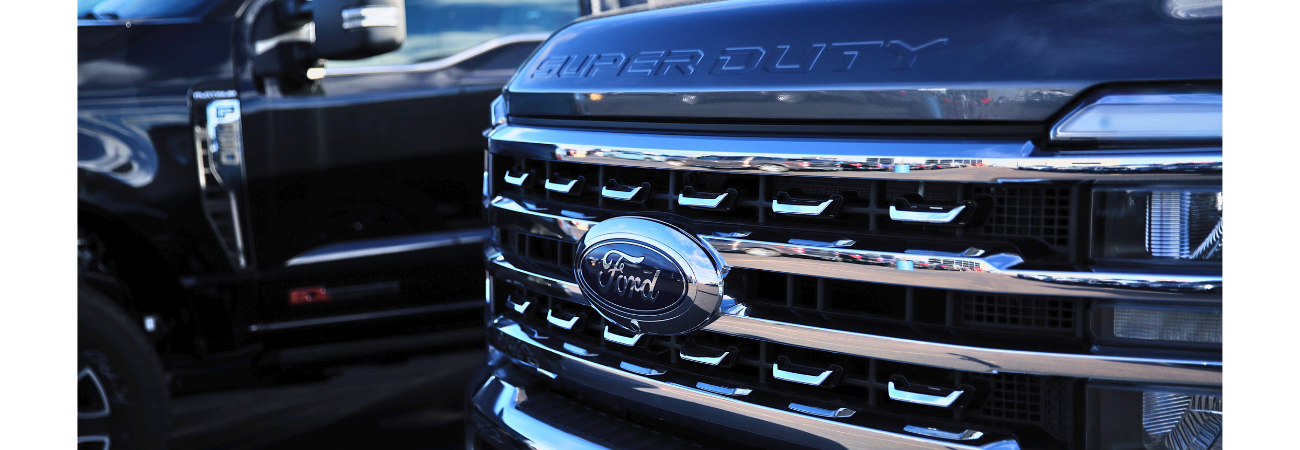
Stepping up to a Super Duty, often an F-250 and sometimes an F-350, brings stronger axles, brakes, and a payload cushion that helps you keep the truck level and composed.
Gas versus diesel is a personal call. Diesel can feel effortless on grades and may stretch fuel range, while gas is often simpler to buy and maintain. Either way, choose the truck that gives you room for passengers, tools, and tongue weight without running tight.
12,500 pounds and up: fifth wheels, goosenecks, and heavy work trailers
Heavy trailers are where a one-ton truck becomes common, because pin weight eats payload quickly. Fifth wheels also add new fit issues, like bed length and turning clearance, plus hitch placement in the bed.
For many Wisconsin owners hauling bigger fifth wheels or goosenecks, an F-350 setup offers the payload headroom that makes towing feel controlled instead of marginal.
Before a long trip, weigh the rig and confirm rear axle and tire limits. Those limits often end the conversation before "max tow" does.
Set up your towing rig for Wisconsin roads and weather
The right truck is only half the win. Setup and habits help you get the most out of your towing capability without pushing limits.
Hitching and brake setup that keeps you in control
Start with a hitch that matches the trailer type and load. Use the correct ball size, set the ball height so the trailer tows level, and cross safety chains under the coupler. Then confirm lights and breakaway function.
If your trailer is heavy enough to justify it, a weight-distributing hitch can help keep the front axle planted. Sway control also helps, especially with longer campers.
Finally, set trailer brake gain in a safe lot. At low speed, squeeze the manual brake control. You want firm braking without lockup.
Cold, hills, and lake wind: simple habits that make towing safer
Wisconsin adds its own quirks. Spring thaw brings potholes that can knock a trailer out of line. Wet leaves in the fall can stretch stopping distance. Winter slush can hide ruts at intersections.
Tire pressure is a big deal, so check truck and trailer tires cold. Then keep speeds reasonable, leave more following distance, and use tow/haul mode when it helps hold gears.
On long grades, watch transmission temps and downshift early instead of forcing the brakes. When you plan fuel stops, look for pull-through space so you don't have to back up in a tight lot.
Conclusion
Good towing starts with real numbers, not guesses. Know your loaded trailer weight, then estimate tongue or pin weight and compare it to your payload sticker. Next, pick the Ford truck class that leaves a buffer for passengers and gear, not one that barely pencils out. After that, dial in hitch height, weight distribution (when needed), and trailer brakes so the whole rig feels calm.
Before your next long haul, weigh your setup and re-check the door jamb limits. If you want help matching a truck and tow package to your trailer, talk with a local Ford towing expert and leave with a plan you can trust.