


Best Ford SUV for Three Car Seats
Escape vs. Explorer vs. Expedition
Trying to fit three car seats across in Wisconsin can feel like a puzzle where the pieces keep changing shape. One week it’s three rear-facing seats, the next it’s two harnessed seats plus a booster, and suddenly the “easy” school run turns into a daily buckle battle.
If you’re comparing the Ford Escape vs. Ford Explorer vs. Ford Expedition, the right pick usually comes down to real-life stuff, not brochure talk. Think second-row width, how easy it is to reach LATCH and top tethers, whether the third row is actually useful, and how the SUV feels to drive every day in snow, slush, and tight parking lots.
The best choice also depends on your kids’ ages and how often you’ll use the third row, not just whether it exists.
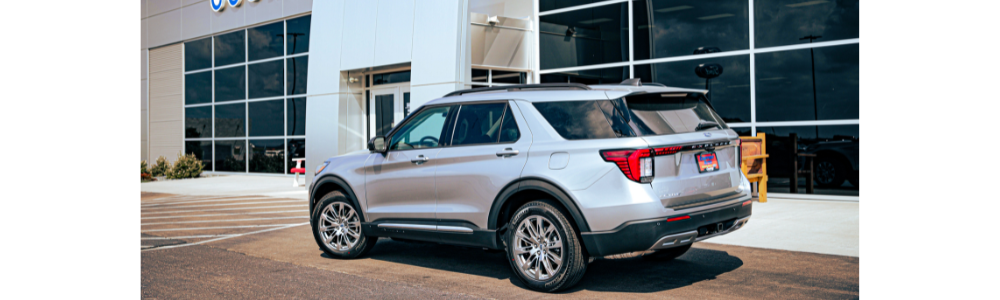
What matters most when you need three car seats in a Ford SUV
When families say “I need three car seats,” they usually mean, “I need this to work on a rushed Tuesday morning.” So focus on the basics first, then worry about trim and tech.
LATCH is the system with two lower anchors in the seat bight (where the seat cushion meets the seatback). It’s designed to make installing a car seat simpler. But here’s the catch: most vehicles don’t have lower anchors in every seating position, especially the center. That’s why seat belt installs matter. A properly locked seat belt install can be just as safe as LATCH, and it’s often the only way to make three-across work.
Top tether anchors are different from lower anchors. They’re used for forward-facing harnessed seats, and they reduce head movement in a crash. You’ll want to know where they are and how annoying they are to reach, because that becomes a weekly reality, not a one-time setup.
A few practical tips that save time and frustration:
Measure your car seats at their widest point (often the cupholder area), not just the base.
If you’re forcing three-across, narrow seats tend to behave better than “big comfy” ones.
Plan for your hands, not just the seats. If you can’t reach a buckle without scraping knuckles, it’ll get old fast.
Do a test fit before buying, using your actual seats and your actual install method.
Three-across basics, width, seat shape, and why “LATCH in every spot” is not the norm
A lot of parents assume LATCH is in all three second-row spots. In many SUVs, the lower anchors are only on the outboard seats. The center position often requires a seat belt install, which is normal.
For three-across, the bench matters more than the badge. A wide, fairly flat bench usually works better than a heavily sculpted seat with thick bolsters. Raised bolsters can push car seats inward and steal precious space. Built-in cupholders and plastic trim can also get in the way, even in a bigger vehicle.
If you’re trying to fit a booster next to two harnessed seats, look closely at the buckle location. Some buckles sit so low or so far back that kids can’t buckle without tilting the booster or twisting the belt.
Second row vs. third row, which setup works best for your family
There are three common “three kid” setups:
All three in the second row: This can be convenient when kids are small, but buckle access becomes the make-or-break issue. The center seat is often the hardest to install and the hardest buckle.
Two in the second row, one in the third row: This can be a stress saver if your third row is truly usable. It also creates space between kids who argue, which is its own safety feature.
Third row used “sometimes”: Even if you only use it for weekend games or grandparent visits, a third row can prevent daily re-installing. The best third rows let you reach the back without uninstalling a seat, because nobody wants to redo a tight install in a cold parking lot.
Escape vs. Explorer vs. Expedition, which Ford SUV fits three car seats best
Think of these three like winter boots. One is easy to wear every day, one is the do-it-all pair, and one is built for the biggest job, even if it’s heavier.
In general, the Escape is the toughest for true three-across, the Explorer is the practical middle, and the Expedition is the easiest for space and access. The “best” Ford SUV is the one that matches your seat types and how your week actually looks.
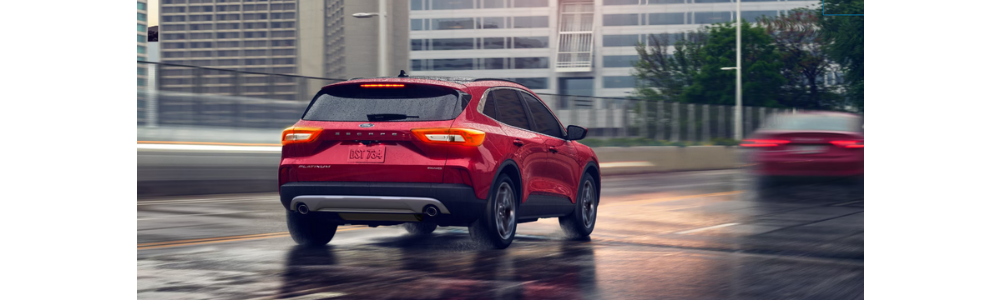
Ford Escape for three car seats, when it can work, and common pain points
The Escape is a compact SUV, and compact cabins don’t forgive wide car seats. Three-across can work, but it usually needs the right combination: three narrow seats, or two seats plus a booster that’s easy to buckle.
Common pain points show up fast:
Tight hip room in the second row, which makes seat-to-seat contact more likely.
Buckles that are harder to reach between two installed seats.
Less cargo flexibility when you’ve got a double stroller, winter gear, and groceries.
Mini verdict: The Escape is best for families who only need three-across occasionally, or who are close to moving one child to a simpler booster setup. It can be a smart daily driver, but it’s not the easiest answer if you’re in three bulky seats for years.
Ford Explorer for three car seats, the sweet spot for many Wisconsin families
The Explorer often hits the comfort zone for families because it gives you more second-row space and a usable third row without feeling like you’re driving a bus. If you need options, the Explorer usually has them.
The key choice is second-row seating layout:
Captain’s chairs: Great for third-row access, because kids can walk through the middle. The tradeoff is you usually can’t do three-across in the second row, since there are only two seats there.
Second-row bench: Better odds for three-across, depending on your seats. A bench also helps if you want all three kids within arm’s reach, for better or worse.
For Wisconsin driving, a midsize SUV like the Explorer can feel easier in town while still being calm on the highway for weekend trips. It’s also a solid compromise when you want a third row without constantly using it.
Mini verdict: The Explorer fits families who need three car seats now and want the option to split kids between rows later. It’s the “most likely to work” answer for many households.
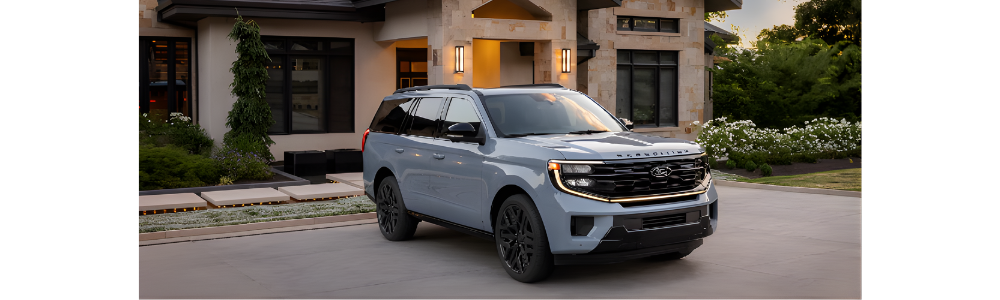
Ford Expedition for three car seats, easiest installs and real third row space
If you’ve ever tried tightening a car seat while wedged against a door frame, the Expedition feels like a breath of fresh air. Full-size SUVs give you more room to work, more space between seats, and a third row that’s actually usable for older kids and even adults for short trips.
That extra space often means:
Easier access to buckle stalks and seat belt paths.
Less seat-to-seat crowding, which can help installs stay tight.
A third row that can handle a child seat without feeling like a penalty box.
Downsides are real, too. The Expedition is larger in parking lots, fuel costs are usually higher, and purchase price tends to be higher than the other two.
Mini verdict: Choose the Expedition if you have a bigger family, do frequent carpools, or plan to keep kids in harnessed seats longer. It’s the least stressful for installs and day-to-day access.
How to choose the right one for your family, and how to test fit before you buy
A smart pick starts with your car seats, not the vehicle badge. Bring your seats, plan your layout, then choose the SUV that makes the routine easier, not just the driveway prettier.
Quick decision guide based on your car seats and your weekly routine
Three harnessed seats for the next few years: Expedition first, Explorer second, Escape last.
Two harnessed seats plus a booster: Explorer is often easiest, Expedition is the comfy upgrade, Escape can work with careful seat choices.
Need the third row weekly (sports, carpool, big family visits): Explorer or Expedition.
Mostly commuting, three-across is rare: Escape can make sense, especially if one kid will be in a booster soon.
Stroller-heavy stage with lots of cargo: Explorer helps, Expedition helps the most when the third row is up.
Dealership test fit checklist, what to bring and what to try
Bring all car seats, bases, and the manual if you have it.
Install seats the same way you do at home (LATCH or seat belt).
Check front-seat legroom with rear-facing seats installed behind it.
Confirm you can buckle a booster without help.
Find and test the top tether anchors for forward-facing seats.
Try third-row entry with seats installed, not in an empty showroom setup.
Check cargo space with the third row up, including your stroller.
Courtesy can help you match the right seating layout to your family, so you don’t end up swapping seats in the parking lot after you buy.
Conclusion
Fitting three car seats changes what “right size” really means. The Escape can work, but it’s often tight and picky about seat choices. The Explorer is the balance point for many families, with space and a third row that can save your sanity. The Expedition is the easiest for installs and real third-row room, with the tradeoffs of size and cost.
Before you decide, do a real test fit with your exact seats and your usual routine. When you’re ready, shop with Courtesy and ask to try the seating layouts in person, because the best setup is the one that makes every buckle feel doable.