


Brake Service Warning Signs: Squeals, Shaking, Pedal Changes
Brake noises and changes in stopping deserve attention, even when your car still seems drivable. For drivers near Stanley, WI, brake service warning signs can offer clues, but a mechanic must inspect the system to find the cause.
A squeal, vibration, or unfamiliar pedal feel can have several explanations, so pay attention to changes in braking rather than guessing which part needs replacement.
Start by noticing when the symptom happens, then consider how urgently you need help based on your vehicle's ability to stop.
Key Takeaways
Brake squealing, grinding, shaking, or changes in pedal feel can have several causes; a mechanic must inspect the system to identify the problem.
Persistent squealing, grinding, worsening vibration, or a pedal that feels soft, sinks, or requires unusual force deserves prompt attention.
If stopping feels unsafe, pull over somewhere safe and arrange roadside assistance or towing rather than continuing to drive.
Note when symptoms occur and share them, along with any warning lights or suspected leaks, with the service team.
Brake service warning signs: what squeal and shake can tell you
Similar symptoms can come from different problems. Courtesy Ford Auto & Truck's brake service advice describes a comprehensive inspection, which helps identify the cause rather than relying on sound alone.
What brake squealing or grinding may mean
A brief squeak after rain or overnight parking can occur because of moisture or surface rust. Dust, brake pad wear, and other brake issues may also cause noise. You can't confirm the cause by listening.
If squealing brakes continue through repeated stops or become more frequent, pay closer attention. Some brake pads have wear indicators that make noise as the friction material wears down, but every squeal doesn't mean the same repair.
Grinding noises need prompt inspection because they may signal metal contacting metal. Don't wait for the noise to become louder before asking for help, especially if stopping also changes.
Why the steering wheel or car may shake when you brake
You might feel vibration while braking through the steering wheel, brake pedal, or vehicle body. Notice whether it happens only during braking or also while cruising.
Uneven rotor wear, warped brake rotors, worn brake components, and tire or suspension problems are possible causes. A technician can inspect the brake system and related parts to identify the source.
Also, note whether the vibration appears at certain speeds or becomes stronger during longer stops. Those details help the service team understand the complaint. Strong or worsening shaking deserves prompt attention, even if the vehicle still stops, because the cause hasn't been established.
What changes in brake pedal feel can signal
Your usual pedal feel is a useful reference. A new change in firmness, travel, or required effort deserves attention, particularly when stopping becomes harder.
What a soft or sinking brake pedal can signal
A spongy brake pedal may feel less firm than usual when you press it. A sinking pedal continues moving downward under steady pressure or travels unusually close to the floor.
Possible causes include air in the hydraulic brake system, which relies on hydraulic pressure, a brake fluid leak, or issues involving the brake lines or master cylinder. These are possibilities, not a diagnosis, and an inspection is necessary to determine what's wrong.
Treat a sudden change or reduced stopping power as urgent. Don't assume adding brake fluid will solve the issue. If the pedal sinks or you can't stop confidently, pull over safely and arrange assistance instead of continuing.
Why an unusually hard brake pedal needs attention
A hard pedal may require much more force than you're used to applying. Brake-booster problems or other system faults can cause this feeling, but a technician must identify the source.
The important distinction is how the vehicle responds. If normal pressure no longer produces normal slowing, the change affects your ability to stop.
Don't keep driving to see whether the pedal returns to normal. A sudden increase in effort, especially with longer stopping distance, calls for immediate attention. Tell the service team both how the pedal feels and how braking has changed.
When to stop driving and arrange brake service near Stanley
Urgency depends on the symptom and your ability to stop safely. You don't need to identify the failed part before seeking help.
Know which brake symptoms need immediate attention
A brake warning light that stays on, a suspected brake fluid leak, or grinding calls for prompt help. A parking brake light that remains on after you release the parking brake also needs attention. An ABS warning light relates to the anti-lock braking system, but doesn't necessarily mean the vehicle can't stop. A sinking pedal, hard pulling to one side, or trouble stopping needs immediate attention.
If braking feels unsafe, ease off the accelerator and pull over somewhere safe as soon as you can. Then arrange roadside assistance or towing rather than driving to a shop.
For mild, intermittent noise with normal braking, schedule an inspection soon. Meanwhile, watch for changes in sound, pedal feel, or stopping distance. A noise disappearing temporarily doesn't establish that the brakes are in good condition.
What to share with the service team before an inspection
Describe when the symptom occurs: during the first stop of the day, after rain, at certain speeds, or throughout a drive. Explain whether you hear squealing or grinding, where you feel vibration, and whether the pedal has changed.
Also mention warning lights, including the parking brake light, pulling, suspected leaks, or recent brake work. Don't attempt extra road tests to gather details if braking feels unsafe.
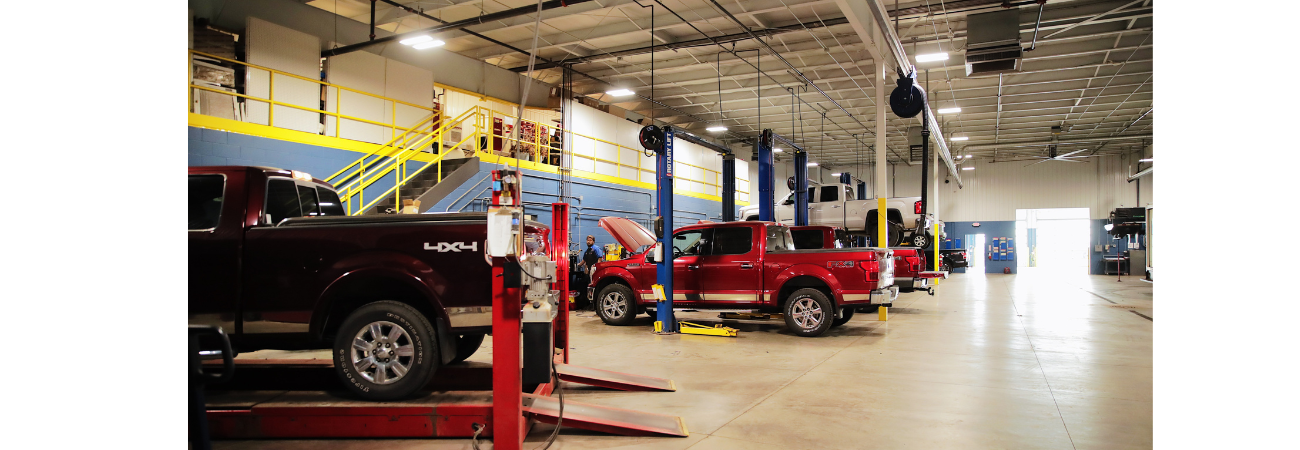
A brake inspection can check pads, rotors, fluid, and related components, including brake calipers and hoses. Ask the technician to explain the findings and repair options before work begins. Understanding what needs attention helps you make an informed decision about your current vehicle.
Arrange an inspection for your current vehicle
For drivers near Stanley, consider Courtesy Ford Auto & Truck for a brake inspection or brake service for your current vehicle. Contact the Courtesy Auto & Truck service department at 715-669-5519 to discuss the symptoms and arrange the next step.
When you call, mention any concern about whether the vehicle is safe to drive. If stopping feels unsafe, arrange assistance rather than driving it there. You don't need to know which repair is required before contacting the service team.
Frequently Asked Questions
Do squealing brakes always mean the brake pads need replacement?
No. Moisture, surface rust, dust, pad wear, and other brake issues can cause squealing, so sound alone can't confirm the cause. If the noise persists or becomes more frequent, arrange an inspection.
Is it safe to drive with shaking brakes?
Vibration can come from brake components or from tire or suspension problems, and an inspection is needed to identify the source. Strong or worsening shaking deserves prompt attention; if braking feels unsafe, pull over and arrange assistance.
What should I do if my brake pedal sinks or feels unusually hard?
A sinking pedal, a sudden increase in effort, or reduced stopping power can affect your ability to stop and needs urgent attention. Pull over safely and arrange assistance instead of continuing to drive.
What information should I share when arranging a brake inspection?
Describe when the symptom happens, what you hear or feel, and whether the pedal or stopping distance has changed. Mention warning lights, pulling, suspected leaks, and any recent brake work, but don't take extra road tests if braking feels unsafe.
Let stopping performance guide your next step
Sounds, shaking, and pedal changes are useful warning clues, but they can't replace a brake inspection. The safest response depends on braking performance, especially when symptoms appear suddenly or get worse.
Arrange brake service if a noise persists, vibration increases, or the pedal feels different. If stopping feels unsafe, pull over safely and arrange assistance instead of continuing to drive, even if the vehicle otherwise seems drivable.