


Ford Bronco vs Bronco Sport for Wisconsin Snow (2026 Guide)
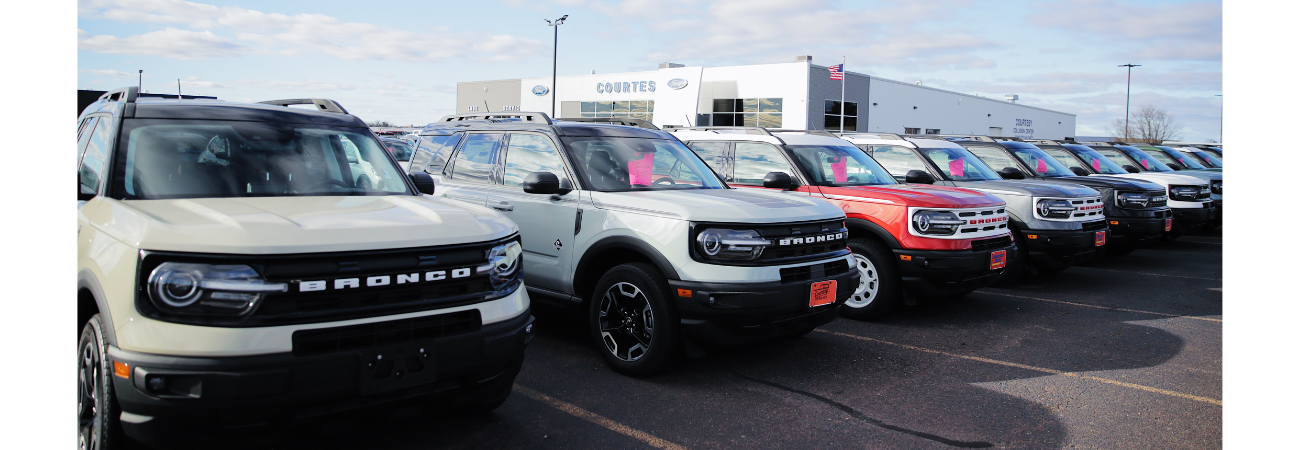
Wisconsin winter doesn't play fair. One day you're cruising on plowed highways, the next you're easing over icy intersections, then you're pushing through unplowed side streets after a lake-effect burst.
That's why the Ford Bronco vs Bronco Sport question matters. They share a name, but they don't feel the same in snow, especially once you factor in drivetrain options, winter tires, ground clearance, and how each one handles daily comfort on cold commutes.
In this guide, you'll get a simple, real-world comparison for Wisconsin driving, from packed slush to fresh powder. By the end, you'll also have a quick buying guide to help you pick the better fit for your routes, your budget, and your winter patience.
Snow traction and drivetrains, what actually helps on icy Wisconsin roads?
On Wisconsin winter roads, traction is a chain, and the weakest link decides your day. Tires matter most, then drivetrain, then ground clearance, then driver habits. A Bronco or Bronco Sport can help you get moving, but neither one can cheat physics when it's time to stop on glare ice.
4WD vs. AWD basics, and why it matters in snow
Most Ford Broncos use a true 4x4 system, and many trims add low range. That setup shines when conditions are consistently bad, like deep powder, rutted alleys, or a steep, unplowed driveway. Low range doesn't add magic grip, but it gives slower, steadier wheel control so you can crawl instead of spin.
The Bronco Sport uses AWD with drive modes, and it often feels smoother on typical winter commutes. On slushy highways or patchy city streets, AWD can shuffle power around without you thinking about it. That can mean fewer surprises when one side hits slick packed snow and the other side finds wet pavement.
Here's the real-world difference:
4WD (Bronco): Best for deep snow, starting from a dead stop on a hill, and pushing through unplowed sections.
AWD (Bronco Sport): Best for mixed traction, quick changes in grip, and steady confidence at normal speeds.
Important: 4WD and AWD help you go. They do not shorten braking distance on ice. Good winter tires and calm inputs do more than any badge on the tailgate.
Drive modes and traction tech you will actually feel
Winter traction tech works in the background, and you'll notice it most at low speeds. A Slippery or snow mode usually softens throttle response and reduces wheelspin, which helps when you pull away from a stop sign on polished intersections.
Stability control steps in when the vehicle starts to slide, then it trims power and can brake individual wheels to help you stay pointed straight. On an on-ramp, that can feel like the SUV gently "settles" instead of fishtailing.
Some trims add torque vectoring, which means the system can shift power side to side to reduce slip. On a snowy hill, it helps the wheel with grip do more work, instead of letting one tire spin in place. Hill descent control can also help on icy downhills by holding a slow speed without constant brake tapping.
Even with all that, your best moves stay simple: use gentle throttle, brake early, and leave a longer following distance.
Tires and ground clearance, the two things that decide if you get stuck
In Wisconsin, getting stuck usually happens for two reasons, your tires can't bite, or your underbody starts plowing snow. Drivetrain helps you move, but tires and clearance decide whether you keep moving when the street turns into packed ruts, freezing rain glaze, or a plow berm at the end of the driveway.
Best tire setup for snow, winter tires vs all-terrain vs all-season
If you drive on icy intersections and packed snow most days, winter tires usually win, even against aggressive all-terrain tires. The reason is simple, winter rubber stays softer in the cold, so it grips when temperatures drop. Many winter tires also use dense siping (tiny cuts) that acts like hundreds of small edges on glare ice.
All-terrain tires still have a place. They tend to do better in deeper, looser snow, like unplowed side streets or drifting rural roads, because the tread can claw and clear itself. The tradeoff shows up on freezing rain and polished hardpack, where the stiffer compound and larger tread blocks often slide sooner than a true winter tire.
All-season tires work for mild winters, but Wisconsin isn't mild. They can feel fine at 35 degrees, then turn sketchy when it drops near zero.
A few practical moves that pay off every winter:
Check tread depth before the first storm. If it's getting low, plan the swap early.
Adjust tire pressure when temps drop, because cold air reduces pressure and can soften steering response.
Consider a second wheel set for winter tires, so swaps are quick and you avoid bead wear.
Look for the Three-Peak Mountain Snowflake symbol, because it marks tires tested for real winter traction.
If the roads are icy, a winter tire is like boots with tread, while an all-terrain is closer to a hiking shoe.
Ground clearance and approach angles, when the Bronco has an edge
Ground clearance is the space between the lowest parts of your SUV and the ground. In winter, that space decides whether you glide over rutted snow or start high-centering and spinning.
This shows up in everyday Wisconsin moments. Packed snow ruts can grab a lower vehicle and drag it off line. Deep slush can pile up under the chassis and slow you down. Then there's the plow pile (the hard berm) at the end of the driveway, where clearance and approach angle (how steep of a mound the front can climb without scraping) matter.
In general, the Ford Bronco sits higher and feels more trail-focused, so it's more comfortable when roads stay unplowed. The Bronco Sport is capable but more crossover-like, which fits plowed commutes better but can touch down sooner in deep, churned snow.
More clearance helps you avoid getting hung up, but it doesn't make slick roads safe at speed. On ice, slow inputs and good tires still do the heavy lifting.
Daily comfort in winter, ride, cabin warmth, and easy living
Snow traction gets the headlines, but daily comfort is what you live with on every commute. In Wisconsin, that means rough winter pavement, tight parking lots, and cabin heat that has to work fast. The Bronco and Bronco Sport can both handle winter life, yet they feel different when you run errands, do school drop-offs, or settle in for a long I-94 drive.
Ride feel, noise, and parking lot reality
Around town, the Bronco often feels bigger and more truck-like, which some drivers love because it feels sturdy. The tradeoff is that it can ride a bit firmer, especially if it's set up for off-road use. Potholes, frost heaves, and broken asphalt can feel sharper through the seat.
By contrast, the Bronco Sport tends to feel easier in tight spaces. It usually comes across as more nimble in parking lots, and it can feel smoother on choppy winter pavement. That can matter when you're threading into a narrow spot downtown or turning around on a packed residential street.
Visibility also plays into stress levels. A taller, more upright view can help you read snowbanks and ruts, while a smaller footprint can make it easier to judge corners. Also keep in mind that larger, more aggressive tires can add road noise; you may hear more hum on cold highways, especially on coarse pavement.
If your winter driving is mostly errands and plowed roads, the easier daily feel can be worth more than extra trail capability.
Cold-weather comfort and must-have options for Wisconsin
When it's below zero, comfort features stop feeling like luxuries. Heated seats warm you faster than cabin air, and a heated steering wheel saves your hands on short trips. Remote start helps too, especially when you want heat and a clear windshield before you step outside.
Pay attention to how quickly the front defrost clears fog and ice. If your trim includes wiper de-icers, they help keep blades from freezing up mid-storm. Finally, rubber floor mats are a must because carpet and road salt don't mix.
To keep your setup winter-ready, stock these basics:
Ice scraper and snow brush
Windshield washer fluid rated for subzero temps
Small shovel for plow berms and packed snow
Rubber floor mats (plus a spare towel for slush)
Plan a quick underbody rinse after salty drives to help slow rust
Conclusion
If you deal with deep snow, unplowed roads, steep driveways, or rural routes that drift shut, pick the Ford Bronco. Its true 4WD (and available low range) gives steadier control when conditions stay ugly. On the other hand, if most of your winter miles are plowed commutes, school runs, and highway slush, the Bronco Sport fits better. Its AWD and everyday ride make it easier to live with when traction changes block to block.
No matter which one you choose, winter tires make the biggest difference for both. Next, compare trims by drivetrain and cold-weather options, then budget for a dedicated winter tire setup before the first storm hits.