


Ford Trucks and Vans for Section 179 in 2026
A qualifying work vehicle may reduce taxable business income, but the Section 179 tax deduction isn't a rebate. Small business owners often research it before visiting a dealership. Business use vehicles must meet IRS requirements for use, weight, configuration, purchase details, and when they enter service. For the 2026 tax year, the applicable tax deduction limit also matters.
Ford trucks and vans can fit many jobs, but no model guarantees a deduction. This tax incentive may create tax savings and reduce a business's tax burden, but the result depends on the tax code. Compare the vehicle to your daily work, then confirm the final tax treatment with a qualified tax professional.
Key Takeaways
Section 179 may reduce taxable business income, but it is not a rebate and does not automatically make a Ford truck or van eligible.
A vehicle generally needs more than 50% qualified business use, and only the business-use share may be relevant to the deduction.
GVWR, body style, cargo configuration, seating, windows, and installed equipment can affect how the IRS treats a vehicle.
Ford F-150, Super Duty, Transit, and E-Series models may fit different business needs, but eligibility depends on the specific configuration and placed-in-service date.
Keep records such as the VIN, window sticker, GVWR information, purchase agreement, financing documents, and upfit invoices, then confirm the tax treatment with a qualified tax professional.
Section 179 in 2026: What business owners need to know before buying
A Section 179 tax deduction generally allows a business to deduct the cost of qualifying equipment placed in service during the tax year. This Section 179 tax deduction reduces taxable business income, not the vehicle's cash price. Ordering a vehicle does not count as placing it in service.
Before you buy, check current IRS guidance and the tax code for the 2026 tax year. Review the Section 179 tax deduction limit, business-income restriction, heavy SUV limit, and spending cap where applicable. Section 179 rules can change, so compare them with bonus depreciation rather than treating the two provisions as interchangeable.
How much business use does a Ford vehicle need?
Vehicle-related depreciation deductions generally require more than 50% qualified business use. Hauling tools to job sites, visiting customers, transporting materials, and making service calls for business purposes can count as qualified mileage.
Commuting from home to a regular workplace is usually personal mileage. Travel between job sites, customers, and business locations may qualify. If you use a truck 70% for work and 30% personally, the deductible share may reflect that split. A later drop below the required threshold can also create tax consequences.
Why vehicle weight and configuration affect the deduction
The IRS treats heavy vehicles differently from ordinary passenger vehicles. Check the gross vehicle weight rating, body style, cargo area, seating, windows, and installed equipment instead of relying on the model name alone. Section 179 may apply differently based on the vehicle's configuration, and weight alone doesn't guarantee eligibility.
Heavy vehicles can have separate deduction rules or limits, while certain pickups and cargo vans may receive different treatment when they meet design requirements. Confirm the gross vehicle weight rating and GVWR using manufacturer documentation. Save the window sticker, purchase agreement, VIN, and GVWR information for your records. Only the qualifying business share of the purchase price may be relevant, which can affect the business's tax burden.
Business use vehicles: Ford trucks and vans to compare
Ford trucks and vans may qualify for business use when their configuration, actual use, and placed-in-service date meet current IRS rules. For small business owners, Section 179 tax deductions for commercial vehicles can help start a vehicle conversation, but your tax professional should confirm the claim.
Section 179 may provide a tax incentive, but vehicle fit should come first. A current section 179 vehicle list can support initial research, yet it cannot replace checking the specific VIN, configuration, and placed-in-service date. Consider operating costs, financing, insurance, and the potential tax burden before buying.
Ford F-150, Maverick, and Ranger for lighter-duty work
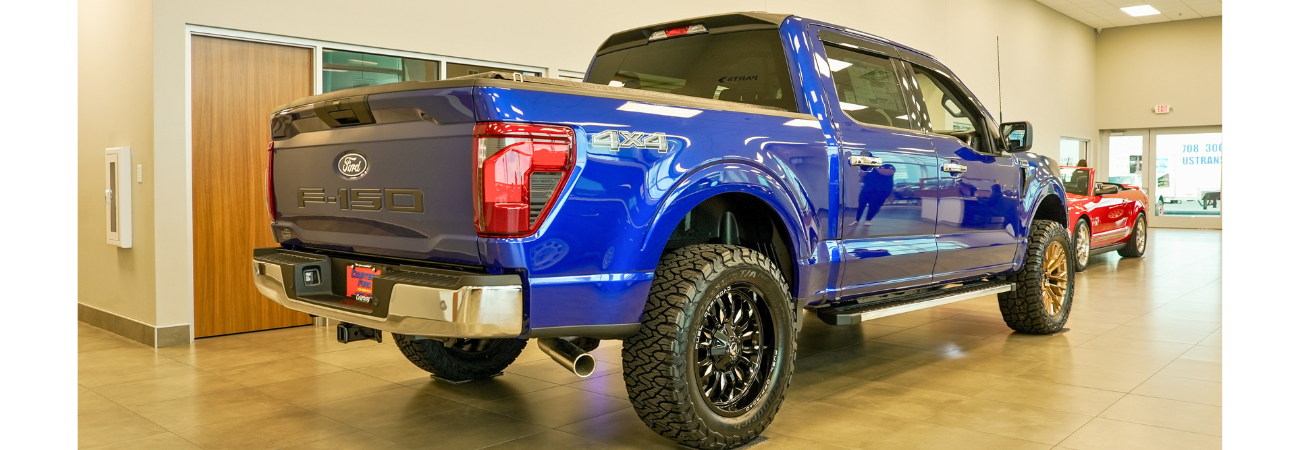
The Maverick, Ranger, and Ford F-150 can fit contractors, landscapers, repair crews, and small delivery operations. They can carry tools, replacement parts, landscaping supplies, and job-site equipment without the size or fuel cost of a heavier truck.
Compare payload, towing capacity, bed length, cab layout, and GVWR before deciding. When comparing the Ford F-150, consider whether its configuration supports the work you perform. Work-oriented pickups and passenger vehicles may receive different treatment. Calculate your business-use percentage instead of assuming the full vehicle cost qualifies.
A section 179 vehicle list can help narrow your options, but it isn't a substitute for reviewing the vehicle's VIN, configuration, and placed-in-service date. Section 179 eligibility depends on the specific vehicle and its documented use.
Ford Super Duty trucks for heavy hauling and job-site work
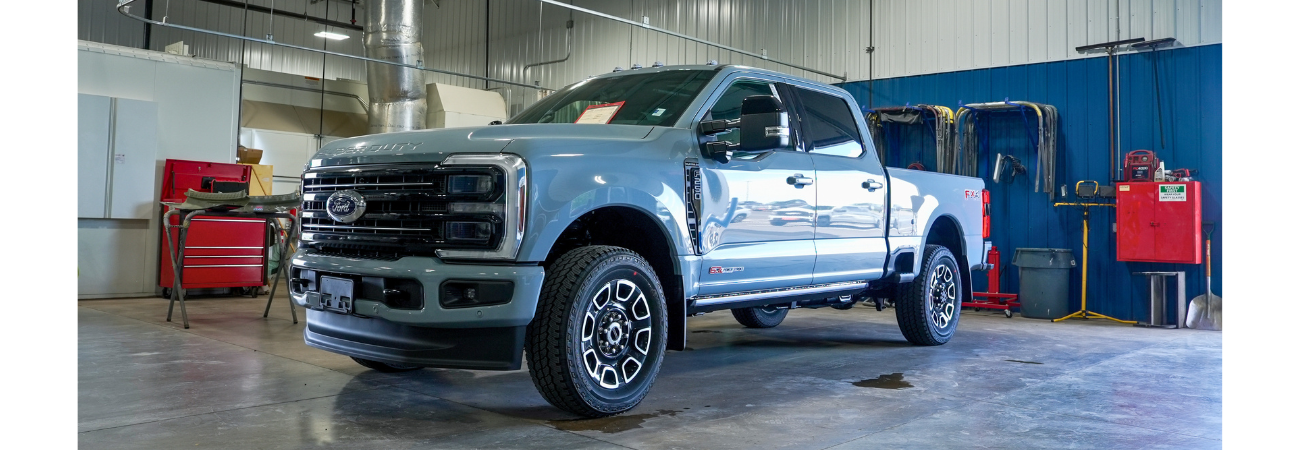
Ford's super duty lineup includes F-250, F-350, and F-450 models for businesses that tow equipment trailers, haul building materials, or need a work body. These heavy vehicles offer higher GVWR options and commercial-style configurations that may affect tax treatment.
Weight alone doesn't guarantee eligibility. Regular-cab and crew-cab models, flatbeds, service bodies, and other upfits can change how heavy vehicles fit IRS rules. Buy the truck that matches the job, because a larger truck also brings higher payments, fuel use, insurance, and maintenance costs. These super duty models should support documented business purposes, not simply a hoped-for deduction.
Ford Transit and E-Series vans for cargo and services
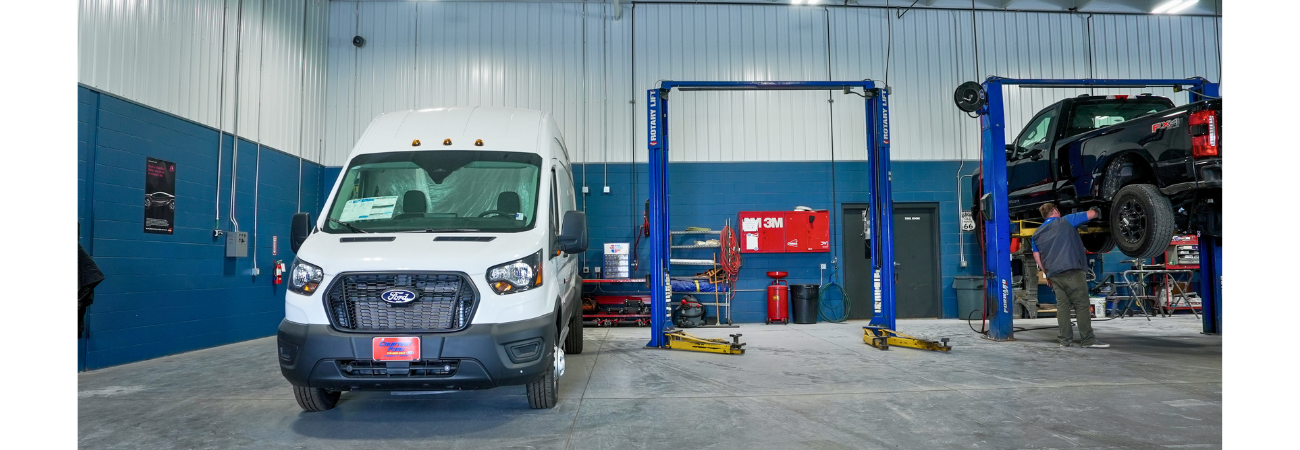
The Transit Cargo Van works well for plumbing, electrical, delivery, catering, and construction businesses. These commercial vehicles can support documented business purposes, while a transit passenger wagon may qualify when it has a clear business role.
E-Series cutaway and stripped-chassis models can support box trucks, shuttles, and specialized work bodies. Compare roof height, wheelbase, payload, shelving options, and fuel costs alongside possible tax treatment. Pre owned vehicles may also be worth considering, but verify their history, prior use, configuration, and eligibility before purchase. The right van should make daily loading, driving, and unloading easier.
Match the vehicle configuration to the work
A truck that looks impressive on the lot may be a poor fit for your route, crew size, payload, or equipment. Start with the trailer weight you tow and the distance you drive each week.
The right commercial vehicles should match the job. A mobile electrician may need a Transit with secure shelving, while a landscaping crew may need an F-350 that can handle a loaded trailer. Farmers and contractors may need a durable work truck or an upfitted E-Series chassis for business purposes. The best business use vehicles support regular revenue-producing work without adding unnecessary costs.
The Section 179 tax deduction may provide tax savings and reduce a business's tax burden. Section 179 shouldn't justify buying a larger or more expensive vehicle than the work requires.
How to choose and document a Ford business vehicle
Look beyond a possible Section 179 deduction. Include the purchase price, payment costs, insurance, fuel, maintenance, depreciation, and upfit work in your budget. Financing, trade-ins, leases, and pre owned vehicles can affect the outcome without guaranteeing eligibility. The final benefit also depends on your tax burden, taxable business income, and qualified use.
A dealership can help compare specifications and available configurations. For ongoing support after purchase, the Courtesy Commercial Fleet Center offers commercial truck and van service options for Wisconsin businesses managing a fleet of vehicles.
A simple checklist before signing for a Ford truck or van
Identify the vehicle's day-to-day business purposes before selecting a model.
Estimate the percentage of miles that will be qualified business miles.
Confirm the gross vehicle weight rating (GVWR), body style, cargo-bed design, and final configuration.
Use a section 179 vehicle list as a research aid, but confirm the actual configuration against IRS guidance.
Save the window sticker, VIN, purchase agreement, financing records, and upfit invoices to support a Section 179 tax deduction.
Confirm the current tax year, tax deduction limit, and available tax incentive with a qualified tax professional.
Dealership staff can explain vehicle specifications, but they can't provide individualized tax advice.
Frequently Asked Questions
Is every Ford truck or van eligible for Section 179?
No. Eligibility depends on the vehicle's specific configuration, GVWR, business use, purchase details, and placed-in-service date. A model name or vehicle weight alone does not guarantee a deduction.
How much business use does a Ford vehicle need?
Vehicle-related depreciation deductions generally require more than 50% qualified business use. Commuting is usually personal use, while travel between job sites, customers, and business locations may qualify.
Can Ford F-150 and Super Duty trucks qualify for Section 179?
They may qualify when they meet current IRS requirements and serve a documented business purpose. Cab style, bed or body configuration, GVWR, actual use, and business-use percentage can affect the tax treatment.
Can Ford Transit and E-Series vans qualify for the deduction?
Cargo vans, cutaway models, and stripped-chassis vans may qualify when their configuration and business use meet applicable rules. Passenger configurations and specialized upfits should be reviewed carefully before purchase.
What records should I keep for a Section 179 claim?
Keep the vehicle's VIN, window sticker, GVWR documentation, purchase agreement, financing records, placed-in-service date, and upfit invoices. Mileage and business-use records can also help support the qualified business percentage.
Choose the Ford trucks and vans that fit the work
Section 179 can be relevant when Ford trucks and vans meet a real business need and current IRS requirements. Ford F-150 and super duty models may suit different workloads, but no model is automatically eligible. Verify the business purpose, configuration, gross vehicle weight rating, qualified mileage, and placed-in-service date.
Keep Good records and review the purchase with a tax professional before claiming the Section 179 tax deduction. Clear documentation supports your claim and may lead to tax savings, but eligibility depends on the facts.