


Ford Work Van Options: Cargo, Passenger, and Upfit Choices

A work van has to do more than get you to the next job. It needs to carry tools, protect expensive materials, and still feel comfortable after a full day behind the wheel.
Among full-size vans, the Ford Transit Van anchors Ford’s lineup of commercial vehicles, with several configurations for different businesses. The E-Transit gives companies that value electric operation an alternative with zero emissions from the tailpipe. The right Ford work van options depend on your daily work, so choose the vehicle configuration that fits how your business operates.
Key Takeaways
Choose a Ford work van based on your trade, crew size, routes, equipment, and daily cargo needs.
A Cargo Van suits businesses that carry tools and materials, while a Passenger Van is better for transporting crews or groups.
Compare cargo volume, payload capacity, door access, roof height, wheelbase, towing capability, and available features before buying.
Plan shelving, partitions, racks, storage, and other upfit equipment before delivery to protect workflow, safety, and payload capacity.
Include equipment, installation, charging or fuel needs, maintenance, and other operating costs when comparing Ford work van options.
Choosing a Work Van Starts With the Work You Do
Your trade, crew size, routes, and equipment should drive the purchase. A Ford Transit Van for a solo electrician needs a different layout than one carrying three workers and sheet goods.
Before visiting a dealership, list the largest items you carry, your usual passenger count, and your typical number of stops. Also consider wheelbase length, door access, roof heights, standing room, and the van's allowable load. These details determine whether it supports your workday or creates extra hassle.
Match cargo space and payload to your daily load
Cargo volume shows how much space is available. Payload capacity covers the combined weight of occupants, equipment, and upfit components.
A plumber may need room for long pipe, fittings, water heaters, and shelving. An electrician may prioritize organized bins, a ladder rack, and clear access to frequently used tools. A contractor carrying flooring, drywall, or lumber may need a longer cargo floor.
Shelves, partitions, roof racks, and heavy equipment all count against the van's allowable load. Check the specific van's rating before planning the build-out.
Plan for access, comfort, and long days on the road
A van can have plenty of room but still waste time if loading is awkward. Check the sliding side door width, rear-door openings, step-in height, and standing room inside.
If you make frequent stops, easy access saves effort throughout the day. Review powertrain choices, including the 3.5L EcoBoost, automatic transmission, and All-Wheel Drive, based on driving conditions and route demands. Check towing capabilities when trailers or heavy equipment loads are part of the job.
SYNC 4 infotainment can simplify navigation, connectivity, and route management. Good visibility, supportive seats, climate control, and available safety features also matter when you spend hours in traffic or on rural routes. A longer wheelbase adds cargo room, but it can make tight jobsite parking and crowded city streets harder to manage.
Ford Transit Van: Cargo Van vs. Passenger Van Layouts
The Ford Transit Van can be configured for different business needs, with open load space for equipment or factory seating for people. Each layout serves a different kind of work.
For many businesses, the choice comes down to what travels in the van most often. Buying more seats than you need can expose equipment or leave you working around unused interior space.
When a Cargo Van is the smarter work choice
A Cargo Van is usually the better fit for HVAC technicians, plumbers, electricians, flooring crews, delivery drivers, and mobile service businesses. Its open load area supports shelving, partitions, drawers, ladder racks, and secure storage.
A partition can separate the cab from tools and cargo. That adds security and can reduce noise from equipment shifting behind the seats. Organized storage also helps drivers find parts without climbing through piles of boxes.
Resale may appeal to another business buyer who needs a work-ready van. For companies managing several work vehicles, fleet solutions can make planning easier. Explore Ford Transit cargo vans for business to compare available layouts and discuss job-specific needs.
When a Passenger Van earns its place
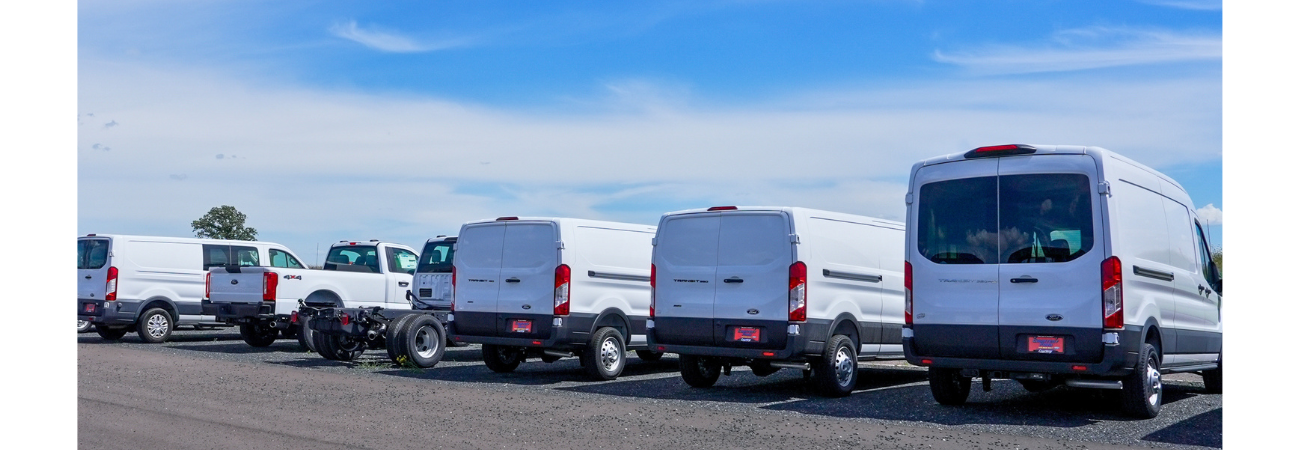
A Passenger Van makes sense when moving people is central to the job. Shuttle operators, jobsite teams, community organizations, and companies carrying larger crews may need its seating capacity and factory seating.
However, seats reduce available room for tools and supplies. If the van will also carry equipment, loose items need secure tie-downs and protective storage. You may also need to protect the upholstery from dirt, sharp materials, and daily wear.
Passenger models can work well for mixed use, but measure the remaining storage area before purchase. A van that carries the crew comfortably still needs room for the supplies that allow them to work.
Ford Work Van Options and Upfit Tips That Hold Up on Real Jobs
An upfit works best when you plan it before buying the van. Custom upfitting for shelving, partitions, racks, and electrical equipment should be mapped out before delivery. Waiting can lead to shelving that blocks access, racks that exceed weight ratings, or storage that doesn't fit through the doors.
When comparing Ford work van options, combine the starting MSRP with equipment, installation, financing options, maintenance, and other operating costs. If you're considering an E-Transit, compare fuel-related needs with charging access and route suitability for your business. This gives you a more realistic ownership cost than looking at the van payment alone.
Build the van around workflow, not just available space
Place the tools you use most near the sliding side door. Keep heavy equipment low and as close to the center of the van as possible. Leave a clear path for loading bulky materials.
Useful upfit items may include:
A full partition to separate the cab from the cargo area.
Shelving, drawers, and bins sized for the parts you carry.
Floor liners and wall panels that protect the interior.
Ladder racks, roof racks, interior lighting, or a power inverter.
Tie-down points for equipment that can't live in a fixed cabinet.
Measure your ladders, cases, carts, and material lengths first. Then confirm they fit through the side and rear doors, not only inside the van.
Protect the investment with a safe, balanced upfit
Weight distribution affects handling, braking, and tire wear. Keep the van within its payload capacity, remembering that shelving, racks, tools, and passengers all count toward the rating. Don't overload the roof with ladders or storage boxes.
Choose anti-slip flooring and lockable storage for valuable tools. Secure every heavy item with rated tie-downs, especially equipment that could move during a sudden stop. Professional installation also helps prevent damage to wiring, body panels, and mounting points.
Ask the dealer or upfitter about warranty support, access to a service center, installation lead times, and future service needs. Ford Pro Telematics can also provide a vehicle-monitoring resource for businesses managing multiple vehicles. Avoid installations that block airbags, cameras, sensors, emergency exits, or needed service points.
Frequently Asked Questions
Which Ford van is best for a business that carries tools and equipment?
A Ford Transit Cargo Van is usually the better choice for plumbers, electricians, HVAC technicians, contractors, and mobile service businesses. Its open load area can be organized with shelving, partitions, drawers, racks, and other upfit equipment.
When should a business choose a Passenger Van?
A Passenger Van makes sense when transporting workers, customers, or larger groups is central to the job. Keep in mind that factory seating reduces available space for tools, supplies, and other equipment.
How should I choose the right Ford work van size?
Start by measuring your largest equipment and materials, then compare cargo volume, payload capacity, wheelbase, roof height, and door openings. Consider your usual passenger count and route conditions so the van has enough room without becoming difficult to park or maneuver.
What should be included in a Ford work van upfit?
Common options include partitions, shelving, drawers, bins, floor liners, wall panels, ladder racks, lighting, power inverters, and tie-down points. The upfit should support your workflow while keeping heavy items secure and the vehicle within its payload rating.
Is the E-Transit a good alternative for a work van?
The E-Transit may suit businesses that value electric operation and have routes compatible with its range and charging access. Compare charging requirements, route demands, equipment needs, and overall operating costs before choosing it for your business.
Choose the Layout That Supports Your Business
The Ford Transit Van gives you a practical starting point for either need.
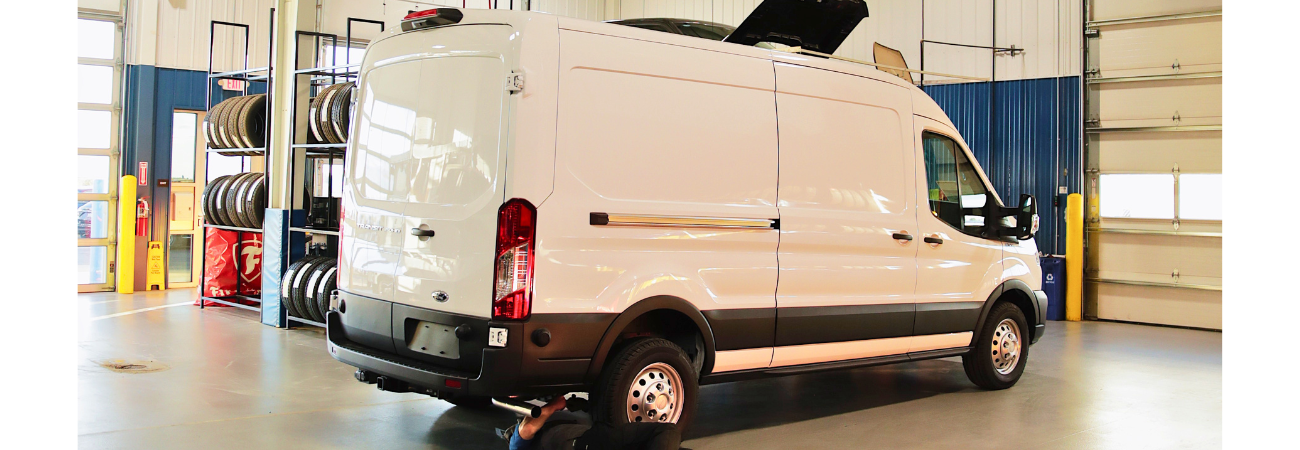
Choose a Cargo Van when equipment drives the workday. A Passenger Van fits better when moving your crew comes first.
Check your equipment, consider daily access, and plan the upfit before you commit. Compare Ford work van options in person, where dealership inventory lets you compare full-size vans, door access, seating, and storage.