


Lifetime Powertrain Warranty: What It Usually Covers Before You Sign
A lifetime powertrain warranty sounds like a safety net with no end date, and that's why it grabs attention fast. If you're buying a newer or used vehicle in Wisconsin, the phrase can feel like a promise of long-term peace of mind.
Still, it's not the same as bumper-to-bumper coverage. In most cases, it protects major parts that make the vehicle move, not every repair that may come up. Since terms can change from one dealer or contract to the next, the smart move is to read the fine print before you sign.
What a lifetime powertrain warranty usually covers, and what it does not
In plain language, the powertrain is the group of parts that creates power and sends it to the wheels. That usually means the engine, transmission, and parts of the drive system, such as the transfer case, driveshaft, axle assemblies, and differentials.
That sounds broad, but the written contract matters more than the sales pitch. Two warranties can use the same name and cover different parts. One may focus only on internally lubricated engine parts. Another may cover more of the transmission and drive system. So, think of the phrase like the label on a toolbox. What counts is what's actually inside.
The parts most plans include
Most plans cover the heavy mechanical pieces. That often includes the engine block, cylinder head, and the internal engine parts that stay lubricated by oil. On the transmission side, coverage may include the case and internal parts. Four-wheel-drive vehicles may also get transfer case parts, drive axles, and differential components.
Some contracts also pay for fluids or filters if they're needed during a covered repair. However, that doesn't mean your regular oil changes or fluid services are covered. Labor may be included, partly limited, or handled under separate rules.
Seals and gaskets are where many buyers get tripped up. Some plans include them only if a covered internal part caused the failure. Others exclude them unless listed by name.
If a part isn't listed in the contract, don't assume it's covered.
Common exclusions that surprise buyers
The exclusions list matters as much as the covered parts list. In many contracts, normal wear items are out. That often includes brake pads, clutches, spark plugs, filters, wiper blades, batteries, and tires. Maintenance services are also separate, so oil changes, coolant service, and tune-ups won't fall under the warranty.
Belts, hoses, sensors, wiring, modules, and many electrical parts are often excluded. Leaks can be denied if they trace back to a non-covered part. The same goes for failures caused by overheating, low fluids, sludge, or missed service.
Pre-existing issues are another common problem. If the vehicle had damage or neglect before the warranty started, the claim may not go through. Commercial use is also often excluded, including delivery work, rideshare, snow plowing, or towing past factory limits.
That's why a lifetime powertrain warranty is only as strong as its exclusions list. Before you get excited by the word "lifetime," slow down and read what stops coverage.
The rules that can keep a claim from being approved
A lifetime warranty often lasts as long as you own the vehicle, but only if you follow every rule in the agreement. That's the catch. Miss one step, and a valid mechanical failure may still be denied.
Most plans require you to maintain the vehicle by the factory schedule. That means oil changes on time, fluid services when due, and quick attention to warning signs. If the engine fails and you can't prove basic upkeep, the provider may point to neglect.
Maintenance records, time limits, and where service can be done
Good records are your proof. Save receipts for oil changes, filters, inspections, and any recommended work. If you do maintenance yourself, ask what paperwork counts, because some plans want dated receipts for parts and mileage notes.
Some warranties also require inspections at certain intervals. Others require pre-authorization before teardown or repair. A deductible may apply, and some plans only allow repairs at approved shops or licensed facilities.
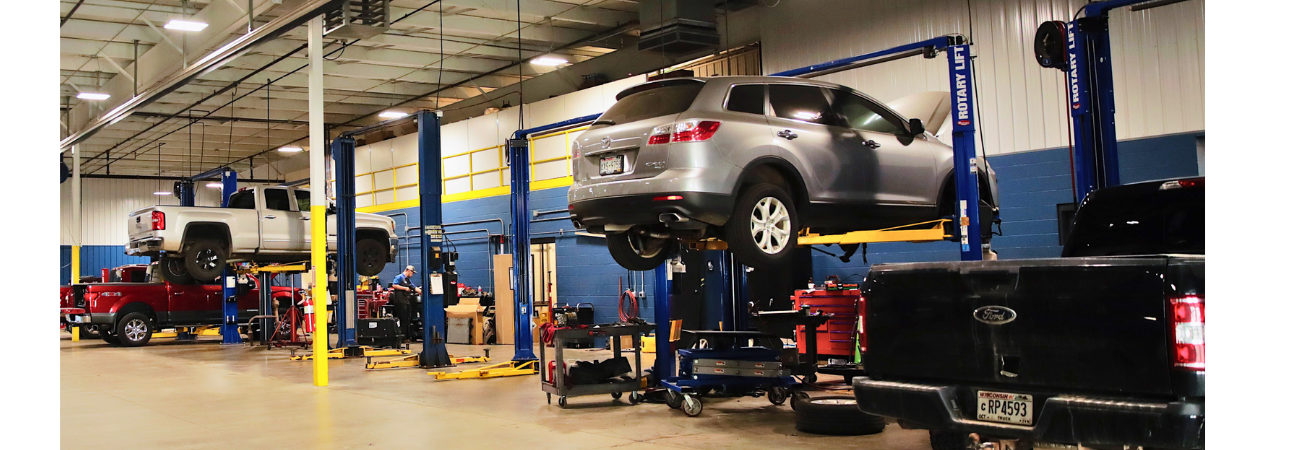
That's one reason many buyers prefer working with a dealer that explains service expectations clearly and offers support after the sale. If you want a place to keep maintenance organized, Courtesy's Stanley WI Service Department gives drivers a local option for routine upkeep and repair history.
In the same way, it helps to review a dealer's warranty information before purchase. Courtesy shares lifetime engine warranty details, which makes it easier to compare written coverage instead of relying on memory from the showroom floor.
Dealer-specific terms you should read line by line
Dealer-backed warranties often have their own rules. Some apply only to certain vehicles by age, mileage, or model year. Others are limited to personal use and end if the vehicle is used for commercial work.
Ownership terms matter too. Some warranties stay with the original buyer only. Others end if the vehicle is sold, traded, totaled, or moved out of the approved ownership setup. In some cases, financing terms or payoff status can also matter.
Ask for the full contract before you agree to anything. Then read the claim process, cancellation terms, transfer rules, and dispute steps. A clear dealer will walk you through those points without pressure. That kind of clarity builds trust, which is what most Wisconsin drivers want when they buy from a local store like Courtesy Ford Auto & Truck Center.
Questions to ask before you sign, so you know what you are getting
The best time to ask hard questions is before the paperwork is final. Think of it like checking the ice before driving onto a frozen lake. The offer may look solid, but you need to know what's under you.
Ask these coverage questions before you agree
Bring these questions with you, or save them on your phone:
Which exact parts are covered under the lifetime powertrain warranty?
Which parts are excluded?
Are diagnostics covered?
Is labor fully covered?
Is there a deductible?
Are seals and gaskets included?
Do repairs need prior approval?
Can I take the vehicle to any repair shop, or only approved locations?
If the answers sound vague, ask for the contract and find the language in writing. Words like "powertrain" and "lifetime" sound simple, but the details decide whether a claim gets paid.
Ask these ownership and maintenance questions too
You also need the rules for keeping coverage active:
Do I have to follow a specific maintenance schedule?
What records do I need to keep?
Does one missed service void coverage?
Is an annual inspection required?
Does coverage transfer if I sell the vehicle?
What happens if I move out of state?
Those questions may feel small at signing, but they matter years later. Get every promise in writing, including anything the salesperson says out loud.
A lifetime powertrain warranty can be a strong part of your purchase, but only when you know the terms before you take the keys. The smartest buyers read the contract, ask direct questions, and keep good records from day one.
That's also why trust matters. When a dealership explains coverage clearly, without rushing past the fine print, you can buy with more confidence and fewer surprises down the road.