


Signs Your Battery Is Weak: Cold-Weather Checks

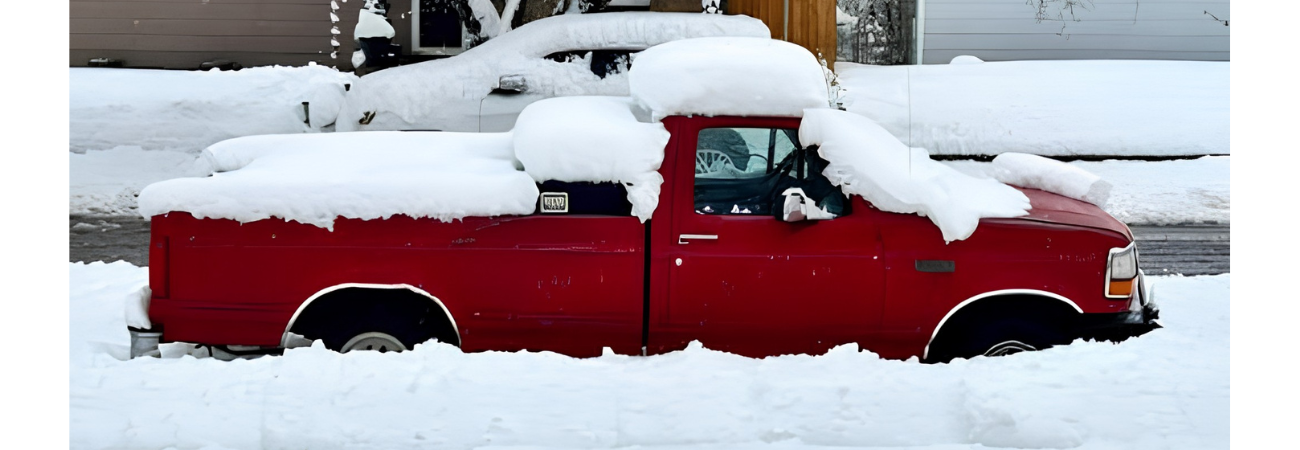
A car that struggles to start on a cold Wisconsin morning can throw off your entire day. Extreme temperatures can bring starting issues to your attention. Before you buy a car battery, focus on getting the cause checked rather than guessing which part needs replacing.
When you're looking for signs your battery is weak, the starting problem, recent service history, and visible condition give you useful details to share. A slow start deserves attention, but it doesn't tell you which repair to authorize.
Start by recording what happens, then ask for the checks that fit your vehicle and its symptoms.
Key Takeaways
Slow cranking, dim lights, clicking sounds, and repeated jump-starts are useful symptoms to report, but they don't confirm that the battery needs replacement.
Note the battery's age, recent service, how long the vehicle sits, and when starting trouble occurs to help the technician assess the problem.
Ask for an appropriate battery test and related checks of the charging system, connections, starter, or possible parasitic draw before authorizing repairs.
Don't handle a battery that is cracked, leaking, or swollen. Arrange professional guidance and get a diagnosis before buying a replacement.
Signs Your Battery Is Weak When Temperatures Drop
If starting trouble appears during freezing weather, pay attention to the pattern. Note whether it happens every morning, only after the vehicle sits, or even after you've been driving.
Describe the symptoms without assuming the cause. A dead battery or failing battery may cause starting trouble, but symptoms alone don't confirm it.
A technician needs to distinguish a battery concern from connection, charging system, or other starting problems.
Notice slow cranking, dim lights, and repeated jump-starts
Listen when you turn the key or press the start button. Do you notice a slow engine crank or hear a clicking sound? Those details give the technician a clearer starting point than "it won't start."
Also note whether headlights or interior lights dim during the attempt. If the clock resets or other electrical components behave differently, include that information.
Keep track of jump starts, too. Tell the technician how often you've needed one and whether the vehicle struggled again after sitting overnight. If a battery warning light appears, ask whether the concern involves the battery itself or the charging system.
Check the battery's age and visible condition
Look for an installation date on the battery label or check your service records. Battery lifespan varies, so mention if you don't know the battery's age rather than guessing. Also mention recent battery work, long periods parked, and your usual driving routine.
With the vehicle off, look at the battery terminals for heavy corrosion or anything that appears disconnected. Don't loosen parts to investigate.
Leave a cracked, leaking, or swollen battery case untouched. Contact a professional for guidance instead of trying to remove it or attempt another jump start.
What to Test Before Replacing a Car Battery
Ask for an assessment before authorizing replacement. Share the starting symptoms, any history of jump starts, and whether the problem began after recent repairs or accessory installation.
Bring previous test results if you have them. A dated result gives the technician something concrete to review, especially when another shop has already recommended a battery.
Inspect the terminals, cables, and battery voltage
Limit your own inspection to what you can safely see with the vehicle off. Look at the terminal areas and accessible cables without pulling, disconnecting, or tightening anything. If corrosion or a questionable connection is visible, ask for safe cleaning or repair.
Avoid working near a battery when you aren't familiar with the vehicle's procedures. Your owner's manual is the place to check for vehicle-specific precautions and designated connection points.
If you've already taken a digital multimeter reading, write down the number and when you measured it. Include whether the engine was running, the vehicle had recently been driven, or the battery had recently been charged.
Let a technician interpret that reading alongside the starting complaint and other findings. Don't turn a single number into a replacement decision. If you're uncomfortable taking measurements, leave that step to the shop.
Ask for a load test and related electrical checks
Ask whether a battery test, such as a load or conductance test, is appropriate for your vehicle. Request an explanation of the result and whether charging or additional testing is needed before making a decision.
Also ask whether the alternator and charging system need checking. Alternator issues, the ignition system, or the starter motor may also need assessment.
If the vehicle repeatedly needs help starting after being parked, explain how long it sat. Mention dash cameras, plug-in accessories, or recent electrical work, and ask whether a parasitic draw test belongs in the diagnosis.
Before approving repairs, request the recommended next step in plain language. You should understand what the shop found, which repair addresses it, and whether a follow-up check is needed.
When to Get Battery Service Near Stanley, WI
Stop home troubleshooting if the battery is swollen, leaking, or cracked. Don’t handle it or attempt to charge it yourself. Also arrange professional help if repeated test results recommend replacement or your vehicle still won’t start after charging according to its approved procedure.
For Stanley-area drivers, Courtesy Auto & Truck Center lists batteries among its service offerings. Its battery service information explains that the dealership can help identify the correct car battery for your vehicle.
Before arranging battery replacement, ask about the correct battery size and type. Have the shop explain secure installation requirements and any vehicle-specific steps involving settings or battery-management procedures.
Contact our Stanley based service department at 715-669-5519 to discuss your vehicle’s symptoms. Ask about arranging a battery assessment and whether related electrical checks fit your concern. The dealership is at 409 Junction Avenue in Stanley.
When booking, explain whether the vehicle starts reliably or needs assistance. That information can help you discuss how to get it to the shop safely. Arrange an assessment before the next stretch of freezing weather rather than waiting for another failed start.
Frequently Asked Questions
What are common signs your battery is weak?
Slow cranking, clicking during a start attempt, dim lights, and repeated jump-starts can be signs of a battery concern. These symptoms can also have other causes, so they don't confirm that the battery needs replacement.
Should I replace my battery if my car starts slowly in cold weather?
Not based on slow starting alone. Ask a technician to assess the battery and determine whether the connections, charging system, starter, or another issue also needs attention.
What should I tell the technician about a starting problem?
Describe when the problem happens, how often you've needed a jump-start, and whether the vehicle struggles after sitting. Share the battery's age if known, recent service or electrical work, and any test results you've already collected.
Is it safe to inspect or jump-start a damaged battery?
Don't handle or attempt to jump-start a battery that is cracked, leaking, or swollen. Contact a professional for guidance.
Get a Diagnosis Before Buying a Battery
Slow starts, dim lights, and repeated jump-starts deserve a closer look. Record the symptoms, and have any voltage reading interpreted as part of the assessment.
A clear diagnosis gives you a sound basis for deciding what service your vehicle needs. If warning signs continue, contact Courtesy Auto & Truck Center in Stanley to discuss a battery assessment and related electrical checks before colder weather adds urgency.