


Ford Tire Rotation for AWD and 4WD on Wisconsin Roads
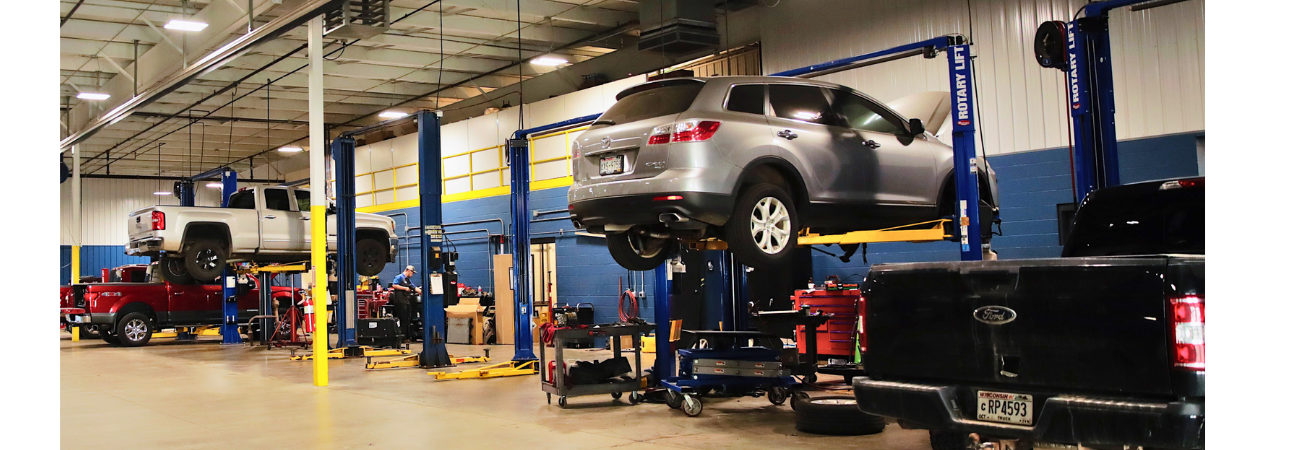
Snow, slush, ice, potholes, and sharp temperature swings can quickly expose uneven tire wear on all-wheel drive (AWD) and four-wheel drive (4WD) vehicles. These systems improve traction, but neither prevents tires from wearing at different rates.
Depending on the Ford model, different tire sizes or tread depths can affect an AWD center differential or a 4WD transfer case. A proper Ford tire rotation for AWD and 4WD helps preserve predictable steering and handling, winter grip, and drivetrain operation. The right pattern and timing depend on your vehicle, tire design, and the condition of all four tires.
Key Takeaways
AWD and 4WD vehicles depend on four tires with closely matched tread depth, size, and overall condition.
The correct Ford tire rotation pattern depends on tire design, tire sizes, drivetrain layout, and Ford’s maintenance guidance.
Rotate tires according to the owner’s manual, often around every 5,000 to 8,000 miles, and inspect them more often after rough-road or winter driving.
Professional inspections can identify uneven wear, incorrect inflation, alignment or suspension concerns, and drivetrain-related tire mismatches.
Before Wisconsin winter driving, check tread depth, tire pressure, visible damage, and the condition of the full-size spare, if equipped.
Ford Tire Rotation for AWD and 4WD: Why Patterns Matter
Tire rotation means moving tires to different wheel positions so they wear more evenly over time. On AWD and 4WD vehicles, keeping all four tires close in tread depth and overall condition matters because the system relies on each tire turning at a similar rate.
AWD and 4WD systems operate differently, but both can work harder when one tire has much less tread or a different size. A difference in tire circumference can make the transfer case or center differential work harder on systems that use one. That mismatch may affect traction-control behavior and add stress to the drivetrain.
Wisconsin roads add more variables. Packed snow can reduce available grip, while wet pavement and slush require tire grooves to move water away from the contact patch. Salt, broken pavement, gravel, and potholes can also reveal alignment or suspension issues that change wear patterns. Reviewing why tire rotation matters is a good reminder that rotation involves more than moving tires around.
Which Tire Rotation Pattern Fits Your Vehicle?
Several patterns may be approved, but no single pattern fits every Ford SUV, truck, or car. A forward-cross pattern moves front tires diagonally to the rear, while rear tires move straight forward. A rearward-cross pattern sends the rear tires diagonally forward and moves the remaining tires straight back. The X-pattern moves every tire diagonally, while side-to-side rotation keeps tires on the same axle.
Directional tread can roll in only one direction, so those tires usually stay on the same side of the vehicle. Non-directional tires may offer more rotation flexibility when Ford approves the arrangement. Staggered setups, where front and rear tires use different sizes, may also limit the available choices.
A Ford Explorer, Ford Bronco, or F-150 4WD may have different tire sizes, driveline layouts, or approved placement rules. A technician should inspect sidewall markings, tire sizes, and Ford specifications before selecting a pattern.
How Uneven Tire Wear Can Affect Snow and Ice Grip
Cupping creates uneven dips across the tread, while feathering leaves tread blocks sharp on one edge. Shoulder wear can point to inflation, alignment, or suspension concerns. Excess center wear may also indicate improper inflation.
These patterns can reduce braking control and steering confidence on slick roads. They can also limit how well a tire clears slush and water. Rotation cannot repair a damaged or badly worn tire, so the inspection should include tread depth, air pressure, visible damage, alignment concerns, and suspension parts.
How Often Should AWD and 4WD Tires Be Rotated?
Start with the maintenance schedule in your owner's manual. Many vehicles call for tire rotation around every 5,000 to 8,000 miles, often during an oil change, but your Ford's recommendation takes priority.
Drivers who regularly travel rough county roads, gravel routes, snowy streets, or stop-and-go city traffic should inspect tires more often. An F-150 4WD used for towing, gravel-road travel, or winter driving may need closer inspection, but no single interval applies to every vehicle.
A tread-depth check may show that one tire has noticeably less usable tread than the other three. Even a modest difference deserves attention on an AWD system because the tires are meant to work together. Regular Ford maintenance checks and tire care can help catch that difference before winter driving raises the stakes.
Signs Your Vehicle Needs a Tire Check Before Winter
Schedule an inspection before the first major snowfall if you notice any of these warning signs:
The steering wheel vibrates at highway speeds. Ask about wheel balancing, tire condition, and suspension checks.
The vehicle pulls left or right on a flat road.
Tires make a humming or droning sound that grows louder with speed.
One or both tire shoulders show visible wear.
A tire repeatedly loses pressure.
Tread depth varies noticeably between tires.
Snow traction feels weaker than it did last season.
Check the full-size spare as well, if equipped. The spare may have low pressure or age-related damage, making it less useful when you need it most.
Keep Service Records With Your Tire Measurements
Save the mileage, tire rotation pattern, and tread measurements from each appointment. Record differences between the front and rear tires to help compare axle wear over time.
That record makes it easier to spot a repeat wear problem. It also gives your service technician a clearer picture if vibration, pulling, or pressure loss returns. Ask whether the shop can provide a wear pattern report when the cause isn't obvious.
What to Expect During an AWD and 4WD Tire Rotation
A thorough appointment begins by confirming tire size, design, and approved placement for the front tires and rear tires. It should include tread-depth measurements, cold-pressure checks, and an inspection for nails, sidewall damage, irregular wear, and mismatched tires.
Technicians select the approved tire rotation pattern after reviewing tire design, size, and Ford guidance. For non-directional tires, options may include a forward-cross, rearward-cross, or X-pattern. Directional tread usually limits tires to movement on the same side of the vehicle. Ford models, including the F-150 4WD, may have staggered setups or model-specific AWD and 4WD requirements.
They may also perform a tire pressure reset when the vehicle requires it. Reset procedures vary by Ford model, so details matter.
Courtesy Auto & Truck Center's professional tire care services can provide documented measurements and a clear recommendation when a tire should be replaced rather than rotated.
Why Professional Tire Service Helps Protect Your Drivetrain
A quick home rotation can miss a tire with incorrect inflation, a bent wheel, an alignment problem, or a worn suspension component. A professional inspection can also identify tires that no longer match in size, construction, or tread condition.
Following Ford service guidance and keeping tires matched helps reduce unnecessary strain on the drivetrain. This is especially important for model-specific systems with a transfer case or center differential where equipped.
Schedule a tire inspection and rotation at the dealership before Wisconsin winter driving begins.
When Rotation Should Become Replacement
Rotation makes sense when tires remain safe, serviceable, and compatible with the vehicle. Replacement is the better choice when a tire has severe uneven wear, visible damage, or too little tread for dependable winter traction.
If replacement is necessary, discuss all four tires and the full-size spare, if equipped, with the technician. Matching tires are especially important for vehicles that send power to more than one axle.
Prepare Tires for Wisconsin Winter Roads
Winter readiness starts with healthy tread, but tire type matters too. Winter tires generally provide more grip on packed snow and icy intersections because their rubber stays more flexible in cold temperatures. For drivers considering a seasonal setup, these winter tires for a Ford Bronco in Wisconsin snow can make a meaningful difference.
Check tire pressure monthly when the tires are cold, using the pressure listed on the driver's-side doorjamb placard. If equipped, check the full-size spare's pressure and age before a long winter trip. Cold weather lowers tire pressure, so a check in October may not reflect what your tires need in January.

Frequently Asked Questions
How often should I rotate tires on a Ford AWD or 4WD vehicle?
Many Ford vehicles call for tire rotation around every 5,000 to 8,000 miles, but the owner’s manual takes priority. Rough roads, towing, gravel travel, and frequent winter driving may make more frequent inspections helpful.
What tire rotation pattern does my Ford AWD or 4WD vehicle need?
The correct pattern depends on whether the tires are directional, their sizes, the drivetrain layout, and Ford’s approved service guidance. A technician should inspect the tire sidewalls and vehicle specifications before choosing a forward-cross, rearward-cross, X-pattern, or another approved arrangement.
Why do matching tires matter on AWD and 4WD vehicles?
Tires with different circumferences or significantly different tread depths may turn at different rates. That mismatch can affect traction-control operation and add stress to an AWD center differential or 4WD transfer case, when equipped.
Can tire rotation fix uneven tire wear?
Rotation can help distribute normal wear, but it cannot repair a damaged or badly worn tire. Cupping, feathering, shoulder wear, or repeated pressure loss should lead to an inspection of tire condition, alignment, inflation, wheels, and suspension components.
Should I replace all four tires on a Ford AWD or 4WD vehicle?
If one tire is damaged or has much less tread, discuss the replacement options with a qualified technician before installing only one tire. AWD and 4WD systems generally work best when all four tires match closely in size, construction, and tread condition.
Keep All Four Tires Working Together
AWD and 4WD can help you find traction, but they still depend on four tires with even, healthy tread. The right rotation pattern, proper inflation, regular inspections, and timely replacement all matter on Wisconsin roads.
Follow your Ford owner's manual and have a dealership technician inspect uneven wear or unusual tire setups. Ford tire rotation for AWD and 4WD is a practical step toward more confident seasonal driving.