

Trailer Brake Controllers: Wisconsin Setup Checklist
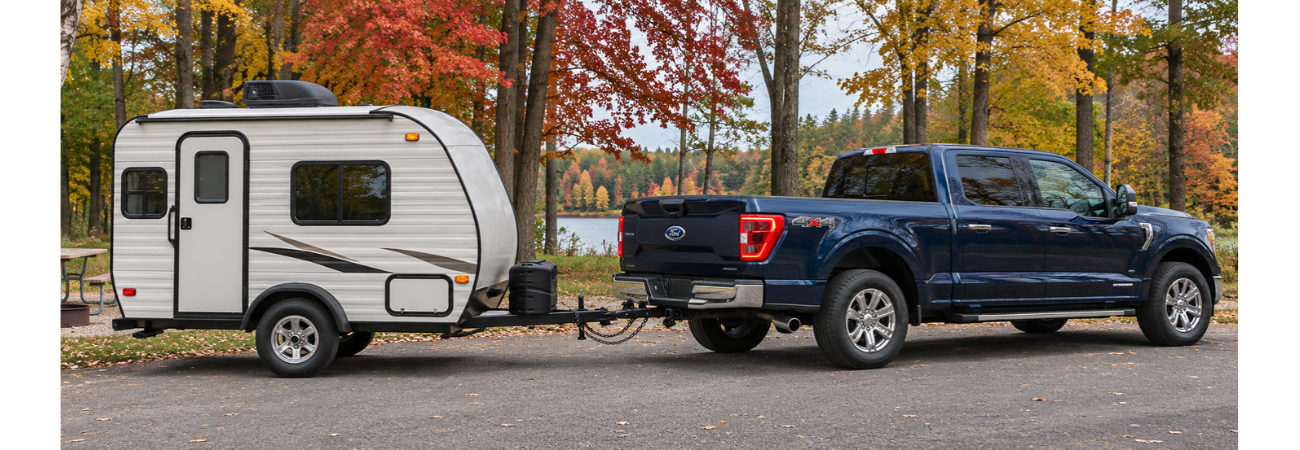
A trailer brake controller needs careful setup before you head out with a camper, boat, or utility trailer. Start with a low-speed test in a safe lot, with brake response adjusted for firm braking without lockup.
For Stanley-area drivers, that preparation belongs alongside hitch selection, trailer loading, and the rest of the hookup. Courtesy Auto & Truck Center can help with your towing questions. Treat the truck and trailer as a complete setup.
Key Takeaways
Match the hitch and trailer position to the loaded trailer, and check the tow vehicle's payload and towing limits for its specific configuration.
Test that the trailer brakes respond firmly at low speed, with the gain adjusted to avoid wheel lockup.
After the brake test, check the trailer lights, breakaway function, hitch position, and crossed safety chains before departure.
If braking feels unsafe on the road, pull over somewhere safe and arrange roadside assistance rather than continuing.
Trailer brake controllers explained: which setups work best for Wisconsin towing
A well-prepared towing setup combines appropriate equipment with careful adjustment. Proportional trailer brake controllers provide smooth deceleration that mirrors your tow vehicle, while time delayed trailer brake controllers use a simpler, pre-set electrical delivery. A trailer brake controller operates electric brakes and works with the hitch, trailer position, and safety connections. Confirm installation follows the manufacturer's directions.
Before leaving, give yourself time to prepare the trailer as you'll use it. A camper packed for a weekend, a boat ready for the launch, and a utility trailer carrying equipment deserve attention before departure.
Also, separate the initial setup from the final departure check. Selecting equipment happens before the trip. Setting brake gain and reviewing the hookup happen with the trailer connected.
That distinction keeps a familiar route from becoming a reason to skip preparation. Even a short trip around Stanley deserves a complete hookup and brake test.
Start with the loaded trailer and tow vehicle
Before adjusting the brakes, establish what your truck will carry and pull. Use the loaded trailer as your starting point.
Work with the weight you'll actually tow
Include the gear that will travel with you rather than planning around an empty trailer. For a camping trip, that means accounting for your packed supplies. For a utility trailer, include the equipment you're hauling.
Keep payload and towing limits separate when reviewing the tow vehicle's ratings. Passengers and cargo add to the vehicle's load, so trailer weight alone doesn't describe the complete setup.
Also, use information for your particular truck configuration. A general Ford model name doesn't provide the full picture of an individual vehicle's towing limits. When the numbers are uncertain, weighing the packed setup provides a better starting point than estimating by appearance.
Match the hitch and trailer position
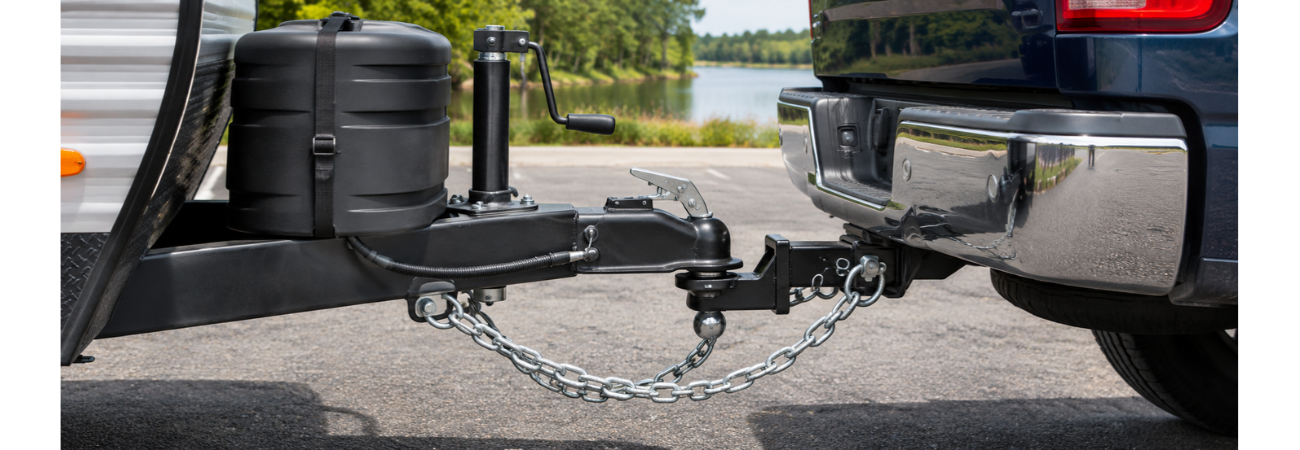
The hitch needs to match the trailer type and load. Use the correct ball size, then set the ball height so the trailer tows level.
Treat those as separate details. Having the right ball doesn't establish that the trailer sits properly behind the truck.
Courtesy Auto & Truck Center's Wisconsin towing guidance also recommends crossing the safety chains under the coupler. Complete the hookup before moving to the brake test, so you can focus on braking rather than unfinished connections.
Set trailer brake gain before your Wisconsin trip
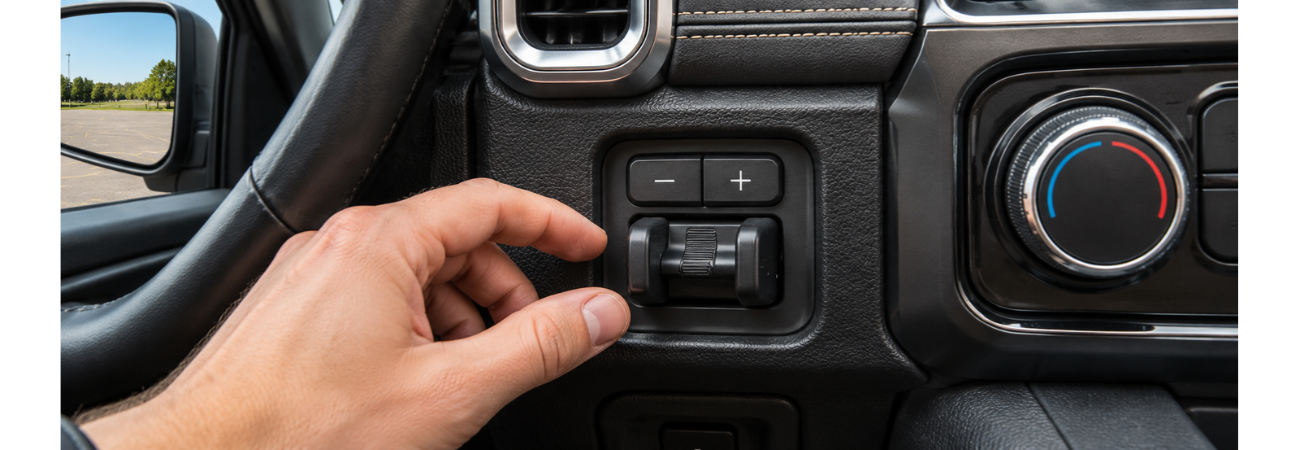
Allow enough time for adjustment before your planned departure. A safe lot gives you room to evaluate braking without adding highway traffic to the process.
Courtesy Auto & Truck Center's trailer hitch and brake setup tips recommend setting gain in a safe lot. At low speed, use the trailer brake controller's manual control to test the trailer brakes for firm braking without lockup.
Follow the brake controller manufacturer's operating directions. Adjust sensitivity only if the controller offers that option, and work through the process deliberately. The target is firm trailer braking without lockup, not the highest gain setting available.
Keep the test separate from your drive to the campground or boat launch. Finish the adjustment before entering normal traffic, and allow time to address a result that doesn't feel right.
Finish with lights and breakaway function
Once brake adjustment is complete, include the trailer lights and breakaway function in your departure review. Both appear in Courtesy Auto & Truck Center's towing preparation guidance.
Keep these checks separate in your routine. A successful brake test doesn't establish that the lights work, and working lights don't establish that the rest of the hookup is ready.
A short written checklist can help you complete the same sequence each time. Include hitch position, crossed chains, lights, breakaway function, and brake gain. If anything remains unresolved, address it before leaving rather than planning to investigate at your destination.
Frequently Asked Questions
Does every trailer need a weight-distributing hitch?
A weight-distributing hitch can help keep the front axle planted when the trailer and load justify its use. It isn't an automatic addition for every towing setup. Hitch selection deserves its own discussion alongside the trailer and truck details.
Is sway control worth discussing for a long camper?
Yes. Courtesy Auto & Truck Center's towing guidance identifies sway control as helpful, especially with longer campers. Include camper length and your intended load when asking about the overall hitch setup.
What should I bring to a towing service discussion?
Bring your truck information, trailer details, and any available loaded-weight measurements. Also describe what you're experiencing during braking rather than only naming the part you suspect. Clear details help the service team understand the question you need answered.
What should I do if braking feels unsafe during travel?
Ease off the accelerator and pull over somewhere safe as soon as you can. If stopping control is uncertain, arrange roadside assistance rather than continuing to a shop. Don't make extra road tests simply to collect more information.
Get Your Towing Setup Ready Before Departure
Careful controller adjustment works alongside a properly matched hitch and a complete departure check. The target is predictable braking, with trailer brakes responding firmly and no lockup during the low-speed test.
Stanley-area drivers can contact the Courtesy Auto & Truck Center service department at 715-669-5519 with towing questions. Our team can help you work through setup concerns before your next trip.